Sleep Well DC
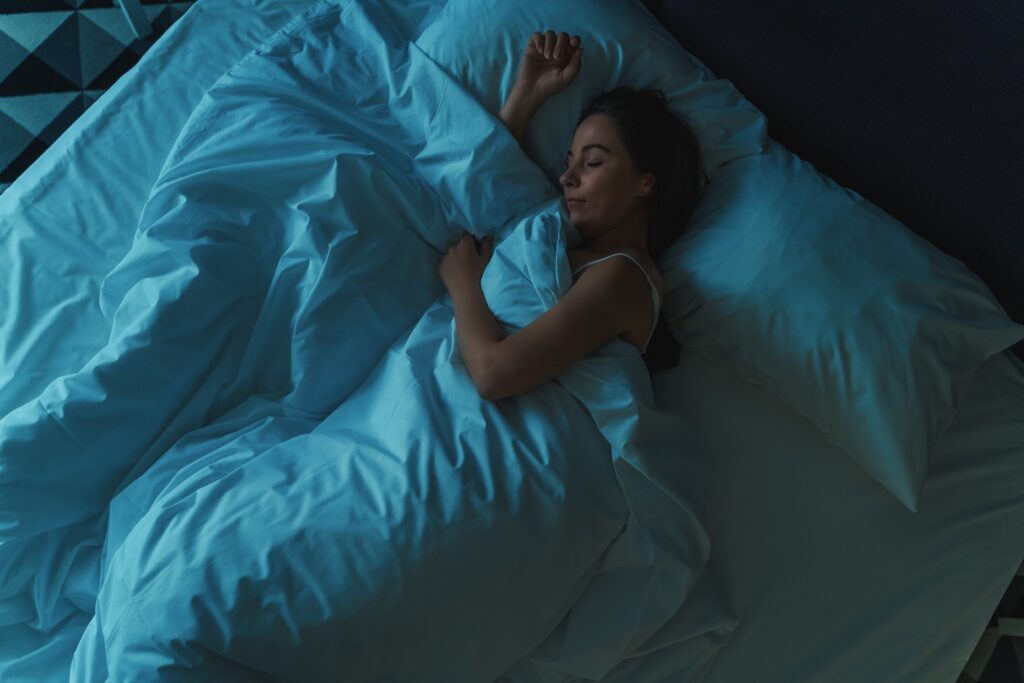
Quality sleep is one of the most important foundations of overall health, yet millions of people struggle with chronic fatigue, snoring, and disrupted rest without realizing an underlying sleep disorder may be contributing to their symptoms. As awareness around conditions like obstructive sleep apnea continues to grow, early screening and personalized treatment have become increasingly important in helping patients improve both their sleep quality and long-term wellness. In Washington, DC, Sleep Well DC is focused on providing compassionate, individualized care for patients seeking answers and effective solutions for better sleep.
About Sleep Well DC
Sleep Well DC is a boutique dental sleep medicine practice led by Dr. Sareeta R. Gupta, DDS, dedicated to helping patients achieve healthier, more restorative sleep through personalized care and advanced treatment options. Located in Washington, DC’s Van Ness neighborhood, the practice combines clinical expertise with an “old school” approach to patient relationships, prioritizing attentive service, individualized treatment, and long-term wellness.
After more than 15 years serving patients in general dentistry, Sareeta R. Gupta expanded her focus into dental sleep medicine nearly six years ago in response to the growing need for effective, patient-friendly solutions for sleep-disordered breathing and obstructive sleep apnea (OSA). She later became a Diplomate in Dental Sleep Medicine, reflecting her advanced training and commitment to this specialized field.
Sleep Well DC works closely with patients experiencing snoring, sleep apnea symptoms, CPAP intolerance, and disrupted sleep quality. The practice is particularly passionate about raising awareness around the underdiagnosis of sleep apnea in women, including those who are pre-menopausal, post-menopausal, pregnant, or postpartum. As a fee-for-service practice conveniently accessible by Metro, bus, and garage parking, Sleep Well DC is committed to delivering compassionate, highly personalized care that helps patients and their families sleep better and live healthier lives.
The First Step to Better Sleep: Why Screening Matters
Millions of people struggle with poor sleep every night without realizing that an underlying sleep disorder may be to blame. Many dismiss symptoms like snoring, daytime fatigue, irritability, or restless sleep as a normal part of aging, stress, or a busy lifestyle. In reality, these symptoms can sometimes point to more serious conditions such as obstructive sleep apnea (OSA) or other sleep-related breathing disorders.
One of the most important, and often overlooked, steps toward better health is proper sleep screening. Early screening can help identify warning signs before symptoms worsen, allowing patients to seek treatment and improve not only their sleep quality but also their overall well-being. Dr. Sareeta R. Gupta, DDS, of Sleep Well DC, understands that for many people, especially women, screening can be the key to finally understanding why they have never truly felt rested.
Why Sleep Matters More Than People Realize
Sleep affects nearly every system in the body. Quality sleep plays an essential role in physical health, mental clarity, emotional balance, cardiovascular function, immune support, and energy levels. When sleep is consistently disrupted, the effects can build over time.
Poor sleep has been linked to:
- Chronic fatigue
- Difficulty concentrating
- Mood changes
- Increased stress and anxiety
- High blood pressure
- Heart disease
- Weight gain
- Diabetes risk
- Memory problems
- Reduced quality of life
Unfortunately, many people learn to live with poor sleep for years without realizing that their symptoms may be connected to an undiagnosed sleep disorder.
What Is Obstructive Sleep Apnea?
Obstructive sleep apnea is one of the most common sleep disorders, yet it often goes undetected. OSA occurs when the airway becomes partially or completely blocked during sleep, causing breathing interruptions throughout the night. These interruptions may happen dozens or even hundreds of times while a person sleeps.
Dr. Sareeta R. Gupta, DDS, of Sleep Well DC, emphasizes that because these breathing pauses briefly wake the brain, the body is unable to reach the deep, restorative stages of sleep needed for proper recovery.
Some common symptoms of obstructive sleep apnea include:
- Loud or chronic snoring
- Gasping or choking during sleep
- Excessive daytime tiredness
- Morning headaches
- Difficulty focusing
- Irritability or mood swings
- Dry mouth upon waking
- Poor sleep quality
- Frequent nighttime awakenings
Many people are surprised to learn that snoring is not always harmless. While occasional snoring can be common, persistent or loud snoring may be one of the earliest warning signs of sleep apnea.
Why Screening Is So Important
One of the biggest challenges with sleep disorders is that symptoms are often subtle at first. Sareeta R. Gupta understands that patients may assume their fatigue is caused by stress, work, parenting responsibilities, or getting older. Others may not realize their sleep is being disrupted because the breathing interruptions happen unconsciously during the night.
Screening helps identify risk factors early before the condition progresses.
A sleep screening is designed to evaluate symptoms, medical history, sleep habits, and other indicators that may suggest a sleep disorder. It is often the first step in determining whether additional testing or treatment may be beneficial.
Early screening matters because untreated sleep apnea can worsen over time. What begins as mild snoring or occasional exhaustion can eventually affect cardiovascular health, metabolism, cognitive function, and emotional wellness. Dr. Sareeta R. Gupta, DDS, of Sleep Well DC, explains that the sooner symptoms are identified, the sooner patients can begin improving their sleep and protecting their long-term health.
Women Are Frequently Underdiagnosed
One of the most important conversations in sleep medicine today involves the underdiagnosis of sleep apnea in women. Historically, obstructive sleep apnea has been viewed as a condition that primarily affects men. As a result, women are often overlooked, misdiagnosed, or diagnosed much later in the progression of the condition.
Part of the problem is that women frequently experience different symptoms than men. While men may present with loud snoring and obvious breathing interruptions, women are more likely to report:
- Fatigue
- Insomnia
- Brain fog
- Depression or anxiety
- Low energy
- Restless sleep
- Difficulty staying asleep
Because these symptoms can overlap with hormonal changes, stress, or mental health concerns, sleep apnea may not immediately be considered.
Dr. Sareeta R. Gupta, DDS, of Sleep Well DC, explains that this is especially true during major hormonal transitions such as:
- Pregnancy
- Postpartum recovery
- Perimenopause
- Menopause
Hormonal fluctuations can increase the risk of airway instability and sleep disruption, making women more vulnerable to sleep-disordered breathing during these life stages.
Unfortunately, many women spend years struggling with exhaustion or poor sleep without ever receiving proper screening.
Snoring Can Affect More Than One Person
Snoring does not just impact the individual experiencing it. Sareeta R. Gupta explains that it can also disrupt the sleep quality of spouses, partners, and family members. In many households, chronic snoring leads to interrupted sleep for everyone nearby. Partners may move to another room, experience sleep deprivation themselves, or become concerned about noticeable pauses in breathing during the night.
For some families, a loved one is actually the first person to recognize the signs of sleep apnea.
Because snoring is so common, many people normalize it or joke about it rather than recognizing it as a potential medical concern. However, when snoring is loud, persistent, or accompanied by daytime fatigue, it may be worth discussing with a sleep professional.
What Happens After Screening?
For patients identified as being at risk for sleep apnea or another sleep disorder, the next step may involve additional evaluation or sleep testing. Once diagnosed, treatment options can vary depending on the severity of the condition and the patient’s needs. While CPAP therapy is a common treatment for obstructive sleep apnea, not every patient tolerates it well. Many people struggle with discomfort, claustrophobia, inconvenience, or compliance issues. Fortunately, Dr. Sareeta R. Gupta, DDS, of Sleep Well DC, emphasizes that alternative treatment options may be available for some patients.
Dental sleep medicine offers oral appliance therapy as a non-invasive alternative for certain individuals with obstructive sleep apnea. These custom oral appliances are designed to help keep the airway open during sleep and may provide a more comfortable solution for patients who cannot tolerate CPAP therapy. The most important step, however, is identifying the problem in the first place, and that begins with screening.
Better Sleep Starts With Awareness
Too many people accept chronic fatigue, snoring, or poor sleep as normal parts of life. In reality, these symptoms may be signs that the body is struggling to get the restorative sleep it needs.
Sleep screening provides an opportunity to identify concerns early, improve sleep quality, and potentially prevent more serious health complications down the road.
For women in particular, especially those who are pregnant, postpartum, perimenopausal, or postmenopausal, awareness and early screening can be life-changing. Dr. Sareeta R. Gupta, DDS, of Sleep Well DC, emphasizes that Better sleep often begins with a simple conversation, a few screening questions, and the willingness to look deeper at symptoms that may have been ignored for far too long.