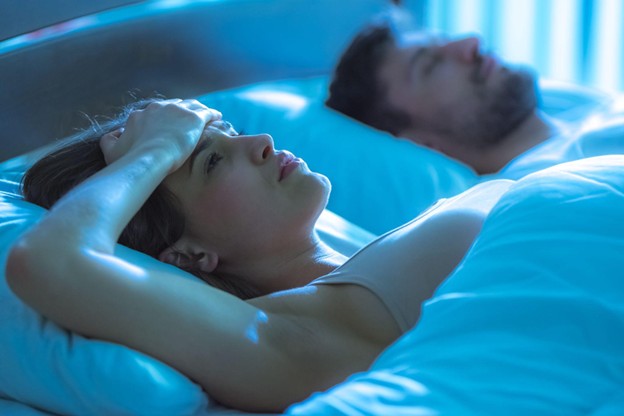
Sleep disruption is often discussed in connection with stress, aging, or changing routines, yet Dr. Sareeta R. Gupta, DDS, recognizes that many women misinterpret chronic fatigue and snoring as normal hormonal changes because symptoms associated with sleep-disordered breathing and obstructive sleep apnea are frequently overlooked or normalized during periods such as perimenopause and menopause. As hormonal fluctuations affect sleep quality, energy levels, and overall physical well-being, many women assume persistent exhaustion or disrupted sleep is simply an unavoidable part of aging rather than a sign of an underlying sleep-related condition.
This misunderstanding can delay evaluation and treatment for years while sleep quality and overall health gradually decline.
Why Sleep Apnea Often Presents Differently in Women
Obstructive sleep apnea has historically been associated more commonly with men, which has contributed to underdiagnosis in women for many years.
Women experiencing sleep-disordered breathing may report symptoms such as:
- Persistent fatigue
- Morning headaches
- Difficulty concentrating
- Mood changes
- Insomnia-like sleep disruption
Because these symptoms are less commonly associated with traditional expectations of sleep apnea, many women may not immediately recognize the possibility of an underlying sleep-related condition.
How Hormonal Changes Affect Sleep
Hormonal fluctuations during perimenopause and menopause can significantly affect sleep patterns.
These changes may contribute to:
- Frequent nighttime waking
- Increased restlessness
- Hot flashes and night sweats
- Difficulty staying asleep
- Daytime exhaustion
Since these symptoms overlap with common sleep apnea symptoms, it can become difficult to determine whether poor sleep quality is related solely to hormones or whether another condition may also be involved.
Why Chronic Fatigue Is Often Normalized
Many women gradually adapt to feeling consistently tired and begin viewing exhaustion as a normal part of work, caregiving responsibilities, aging, or hormonal transition.
This normalization may lead individuals to dismiss symptoms such as the following:
- Waking up feeling unrested
- Daytime sleepiness
- Reduced mental clarity
- Low energy throughout the day
Over time, persistent fatigue may quietly affect both physical health and overall quality of life.
The Overlooked Role of Snoring
Snoring is often treated as a minor annoyance rather than a potential warning sign of disrupted breathing during sleep.
However, snoring may sometimes indicate the following:
- Airway obstruction
- Interrupted sleep cycles
- Reduced oxygen flow during sleep
Often, family members notice snoring before the individual recognizes that sleep quality has become significantly impaired.
Why Women Are Frequently Underdiagnosed
Several factors contribute to the underdiagnosis of sleep apnea in women.
These may include:
- Symptoms present differently than in men
- Fatigue is attributed to stress or hormones
- Less awareness surrounding female sleep apnea symptoms
- Delayed sleep evaluations
As a result, women may live with sleep-disordered breathing for years before receiving appropriate screening or diagnosis.
How Poor Sleep Affects Daily Functioning
Sleep disruption often affects much more than nighttime rest alone.
Insufficient or fragmented sleep may contribute to:
- Difficulty focusing at work
- Reduced productivity
- Irritability and mood changes
- Lower physical energy
- Reduced exercise consistency
Over time, poor sleep can affect cognitive performance, emotional resilience, and overall daily functioning.
Why Sleep Quality Matters During Midlife
Midlife often brings increasing personal and professional responsibilities, and at the same time, sleep quality may begin declining.
Women balancing:
- Careers
- Family responsibilities
- Caregiving roles
- Personal health changes
may unintentionally overlook sleep-related symptoms because exhaustion becomes normalized within busy daily routines.
The Relationship Between Sleep and Long-Term Health
Chronic sleep disruption may affect multiple aspects of long-term health and wellness.
Consistently poor sleep has been associated with:
- Increased stress levels
- Reduced recovery and energy
- Impaired concentration
- Greater daytime fatigue
Recognizing sleep quality as an important part of overall health is becoming increasingly important as awareness surrounding sleep disorders continues to grow.
Why Some Patients Struggle With CPAP Therapy
Continuous Positive Airway Pressure (CPAP) therapy remains a common treatment approach for obstructive sleep apnea, but not all patients tolerate it comfortably.
Some individuals experience challenges such as:
- Difficulty adjusting to the mask
- Claustrophobic sensations
- Discomfort during sleep
- Inconsistent long-term compliance
When treatment becomes difficult to maintain consistently, sleep quality may continue suffering despite diagnosis.
The Growing Interest in Alternative Sleep Apnea Treatments
As awareness of CPAP intolerance grows, more patients are exploring alternative approaches that may support improved comfort and treatment consistency.
For some individuals, oral appliance therapy may offer another option designed to help support airflow during sleep in a less intrusive way.
Interest in personalized treatment approaches continues increasing as patients seek solutions that fit more comfortably into long-term daily life.
Why Early Screening Matters
Because symptoms are often subtle or normalized gradually, many women delay sleep evaluations for years.
Early screening may help identify:
- Disrupted breathing patterns
- Sleep-related airflow obstruction
- Chronic sleep fragmentation
Recognizing potential warning signs earlier may support better long-term sleep quality and overall wellness.
How Awareness Around Women’s Sleep Health Is Changing
Awareness surrounding women’s sleep health has grown significantly recently, particularly regarding how hormonal transitions affect sleep patterns and daytime functioning.
More conversations now focus on:
- Female sleep apnea symptoms
- Midlife sleep disruption
- Underdiagnosed sleep disorders in women
- The relationship between hormones and sleep quality
This growing awareness may encourage more individuals to seek evaluation rather than assuming chronic exhaustion is simply unavoidable.
Final Thoughts
Many women misinterpret chronic fatigue and snoring as normal hormonal changes because symptoms associated with disrupted sleep and obstructive sleep apnea often overlap with common experiences during perimenopause and menopause. As fatigue, restless sleep, and snoring gradually become normalized, underlying sleep-related conditions may remain undiagnosed for years.
Recognizing the connection between sleep quality, breathing patterns, and long-term wellness may help more women seek earlier evaluation, improve sleep consistency, and better understand that chronic exhaustion is not always something that should simply be accepted as normal.